How Reward Structures Align with French Estate Access During Regional Craft Fairs and Quiet Months
Écrit par Willa Schmitz · 4/11/2026
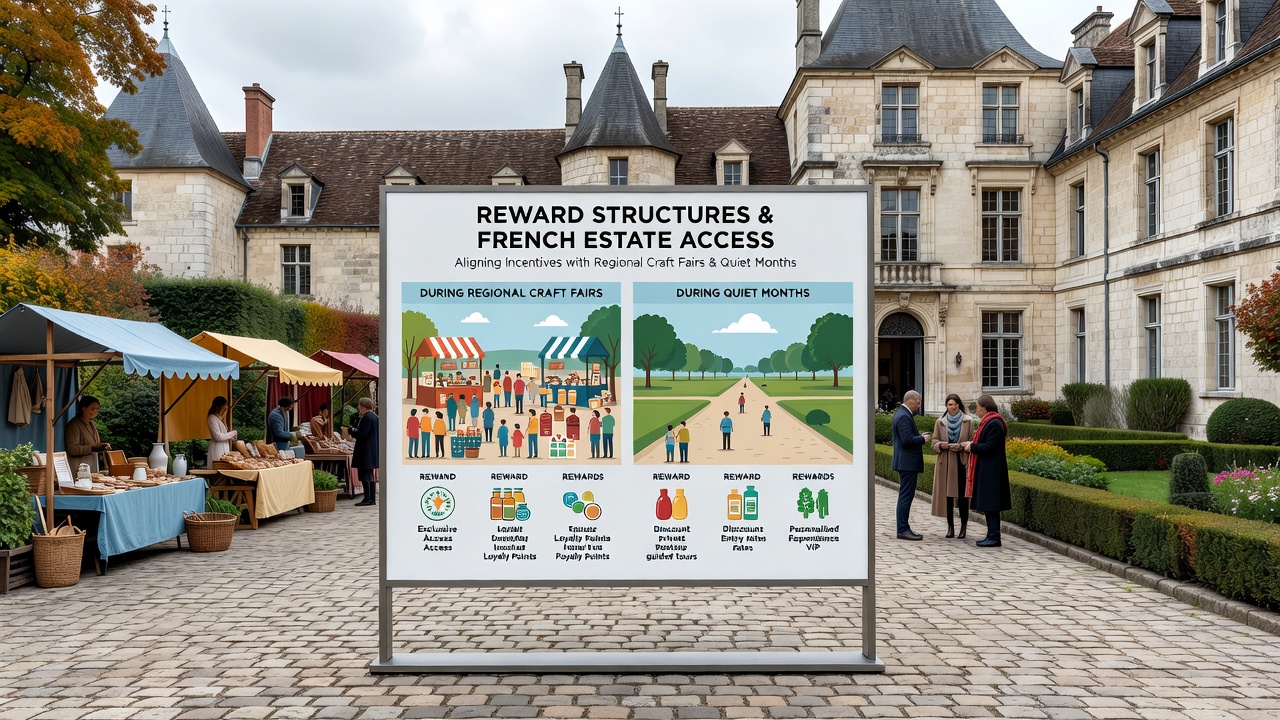
How Reward Structures Align with French Estate Access During Regional Craft Fairs and Quiet Months
Regional craft fairs across France draw participants to historic estates at specific times each year, and reward structures from various tourism programs coordinate with those schedules to manage visitor flow during quieter periods. Observers note that estate operators adjust access protocols when fairs occur in months with lower overall tourism, creating openings for structured reward redemptions that align with reduced crowd levels.
Mechanics of Reward Alignment in Seasonal Tourism
Studies from tourism research institutions show that points-based systems and loyalty frameworks often tie redemption windows to off-peak calendars because estates maintain lower operational capacities then, allowing for targeted access grants. Data indicates that these alignments occur through predefined calendars where reward users receive priority entry during events like pottery markets or textile exhibitions held at chateaus in rural departments. Researchers discovered patterns where such structures prevent overbooking while encouraging participation in cultural activities that estates host to sustain local economies.
According to reports compiled by the OECD on European cultural tourism, seasonal variations prompt estates to integrate reward mechanisms with event planning, particularly when fairs coincide with months that see fewer international arrivals. This coordination relies on data tracking from booking platforms that match reward balances against available slots, ensuring estates can accommodate participants without straining resources.
Regional Craft Fairs and Estate Scheduling
Fairs in areas such as the Loire Valley and Provence operate on annual cycles that estates factor into their access models, and reward programs adapt by releasing limited redemptions tied to those dates. People who've examined visitation records find that estates open additional pathways for reward holders when artisan displays occupy grounds, because the events themselves generate foot traffic that offsets quieter surrounding weeks. Evidence suggests these fairs often run mid-week to balance daily visitor loads, and reward structures mirror that timing by offering tiered entry that favors advance claims.
Quiet Months as Access Windows
November stands out among quieter months because many estates reduce regular tours yet maintain fair-related programming, and reward alignments capitalize on this by converting accumulated points into timed visits. Figures from multiple tourism analyses reveal that access during November 2026 will follow similar patterns established in prior years, with estates coordinating reward redemptions around craft events scheduled in regions like Burgundy and Normandy. Those who've tracked estate calendars observe that quiet periods allow reward systems to function as demand regulators, directing users toward dates when estates can extend personalized access without peak-season constraints.
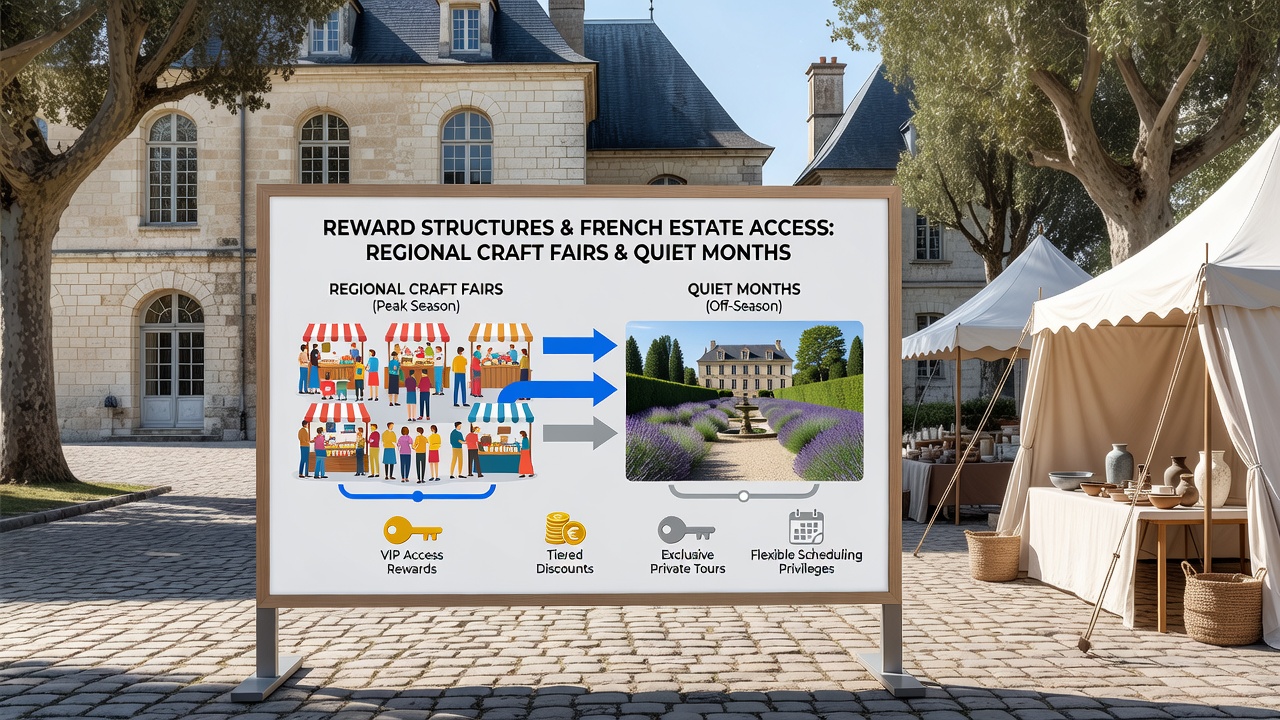
Canadian research on seasonal destination management highlights how reward frameworks in heritage tourism adjust thresholds based on monthly occupancy data, and French estates apply comparable logic when craft fairs occupy grounds. This results in reward users gaining entry through structured channels that estates reserve for lower-traffic intervals, where the combination of events adn reduced general admissions creates predictable capacity.
Data Patterns in Reward and Access Coordination
Academic papers from various universities document that reward redemptions increase measurably when estates link them to regional events during quiet stretches, because the structures incorporate real-time availability feeds. Observers note that estates publish these alignments through centralized databases that reward programs query automatically, allowing users to claim slots tied to specific fair dates without separate negotiations. Statistics from European tourism bodies demonstrate consistent upticks in such coordinated access during November, as estates leverage the period to fulfill reward obligations while hosting localized cultural programming.
Yet the process depends on estates maintaining updated inventories that reflect both fair schedules and reward commitments, and industry reports confirm that digital integration between loyalty platforms and estate management systems handles the bulk of these matches. People often find that quiet-month alignments reduce wait times for reward users because overall demand sits lower, even as fairs draw targeted crowds.
Conclusion
Reward structures continue to mesh with French estate access through scheduled alignments that account for craft fair timings and quieter monthly patterns, supported by data from tourism tracking entities. Estates in multiple regions apply these frameworks to manage visits during periods like November 2026, where event-based programming intersects with reduced baseline traffic. The coordination rests on established reporting from sources such as the OECD and Statistics Canada, which track how seasonal factors shape redemption opportunities across heritage sites.