Matching Digital Platform Algorithms with Harvest-Season Access at Remote French Estates
Écrit par Blake Ludwig · 7/10/2026
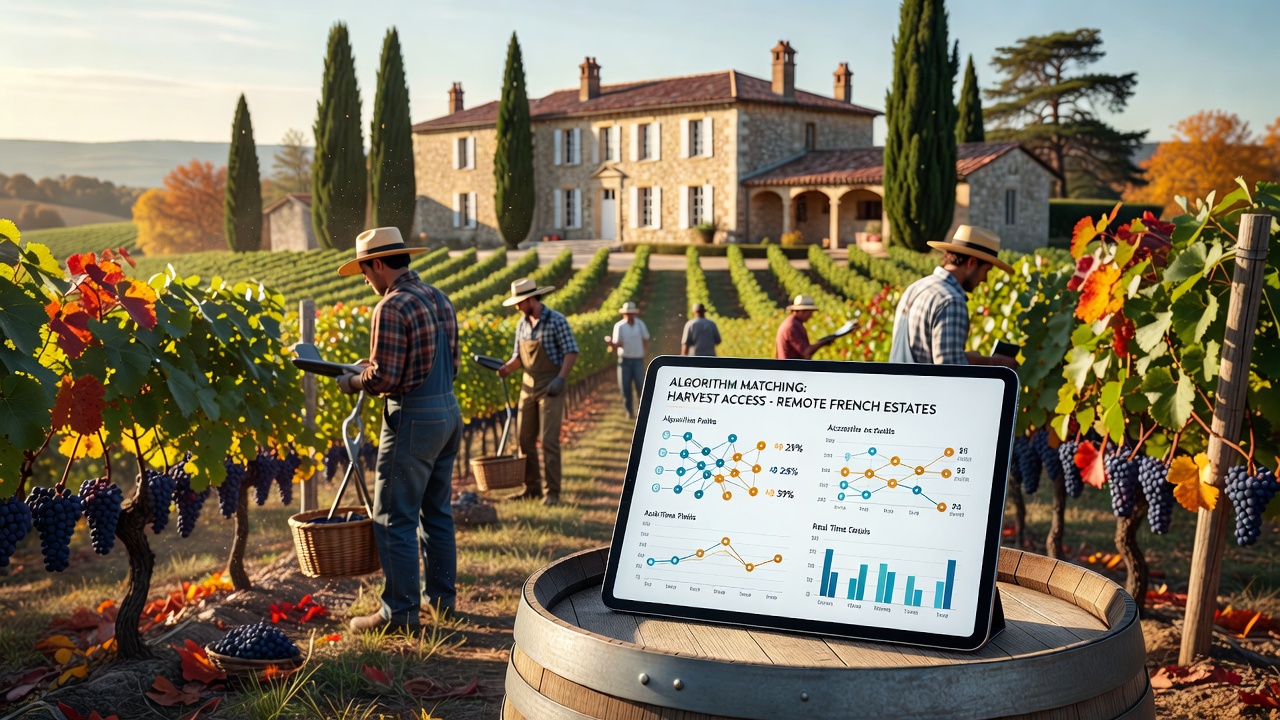
Matching Digital Platform Algorithms with Harvest-Season Access at Remote French Estates
Digital platforms rely on algorithms that process booking patterns, user search data, and seasonal availability metrics to connect travelers with properties at remote French estates, and harvest seasons introduce specific variables that these systems must account for when managing access. Harvest periods in regions such as Bordeaux, Burgundy, and the Loire Valley typically run from late September through October, with grape and other crop cycles influencing both agricultural operations and visitor demand at estates that double as lodging or event venues. Platforms adjust their recommendation engines during these windows because occupancy rates fluctuate based on weather forecasts, local festival schedules, and transportation availability to isolated locations.
Seasonal Data Inputs in Platform Algorithms
Algorithms draw from historical reservation records, real-time inventory feeds, and external datasets that track agricultural calendars across French departments, which allows them to predict spikes in interest for estates near harvest activities. Researchers at institutions studying European tourism have documented how platforms incorporate meteorological data and regional harvest reports to refine pricing and availability displays, while estate managers supply updated calendars that note periods when fields or cellars remain closed to visitors. Data from Eurostat shows seasonal tourism variations in rural France that align with these harvest windows, and platforms use such figures to calibrate search rankings that prioritize properties with confirmed access during peak activity months like October 2026.
Remote Access Considerations
Estates situated far from major transport hubs present additional challenges for matching systems because algorithms must factor in road conditions, limited public transit, adn seasonal closures that affect arrival times. One documented case involved platforms rerouting recommendations toward estates with on-site shuttle services when harvest-related road traffic increased in the Dordogne area, and similar adjustments occur when digital tools detect patterns in traveler preferences for properties that offer guided vineyard access. Estate operators provide structured data feeds about harvest event capacity, which platforms integrate into their matching logic to avoid overbooking or mismatched expectations around restricted zones.
Studies from French agricultural research bodies indicate that harvest timing varies by microclimate, so algorithms often layer satellite imagery and soil sensor outputs alongside booking histories to forecast optimal visit dates. This layered approach helps platforms surface options at remote sites where direct road access may shift due to equipment movement or weather, and travelers receive filtered results that reflect verified availability rather than generic seasonal promotions.
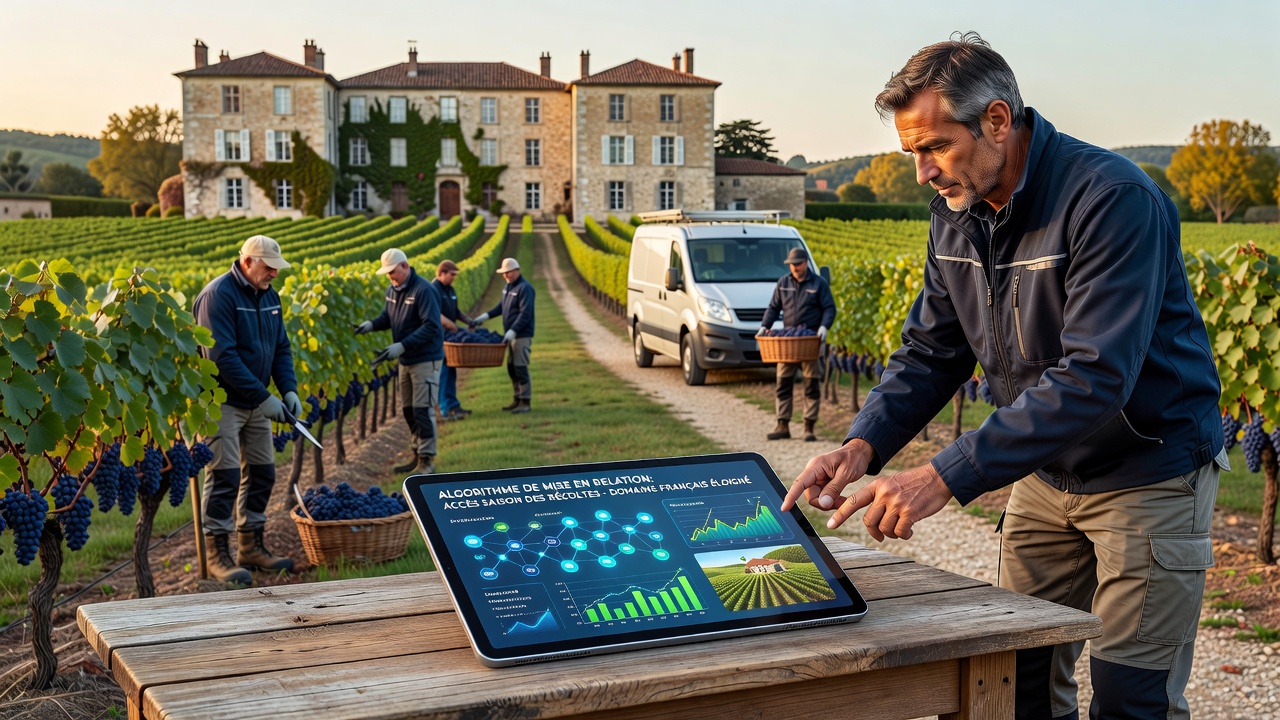
Integration of Estate-Specific Constraints
Remote French estates frequently maintain operational limits during harvest, such as restricted cellar tours or designated guest pathways that avoid active picking zones, and platform algorithms encode these constraints through structured metadata supplied by property owners. Those who manage estates report supplying daily capacity updates that feed directly into availability matrices, which in turn influence how search results prioritize or deprioritize listings based on real-time harvest logistics. Academic papers on rural tourism platforms note that such metadata integration reduces cancellation rates when travelers select properties whose access windows align with both harvest cycles and personal itineraries.
October 2026 harvest periods are already appearing in preliminary scheduling models used by several booking services, where algorithms test scenarios against prior years' data on visitor flows to estates in less accessible valleys. These models draw from industry reports issued by organizations like the European Travel Commission, which compile regional statistics on agritourism participation and help platforms calibrate their recommendation thresholds for properties that combine lodging with harvest-related experiences.
Future Adjustments to Matching Systems
Platform developers continue to refine algorithms by incorporating feedback loops from estate operators who track visitor movement during harvest, and these refinements focus on balancing occupancy goals with the need to preserve operational access for agricultural work. Data indicates that estates providing granular updates on harvest phases achieve higher match rates in search algorithms because their listings reflect precise windows when guest activities remain feasible. Observers note that continued collaboration between digital services and regional agricultural offices supports more accurate forecasting tools, particularly for remote locations where last-minute changes in harvest schedules can affect transportation and staffing.
Conclusion
Matching digital platform algorithms with harvest-season access at remote French estates requires continuous integration of agricultural calendars, logistical constraints, and traveler data streams that platforms maintain through structured feeds and external statistical sources. As October 2026 approaches, these systems will process updated inputs from estate managers and tourism datasets to present viable options that respect both seasonal operations and visitor requirements. The process relies on factual coordination between technology providers and property operators rather than generalized availability displays.